Already working a trade in New Zealand? A new residence pathway may now fit you
Visa guide · 2026-10-10 · 4 min read
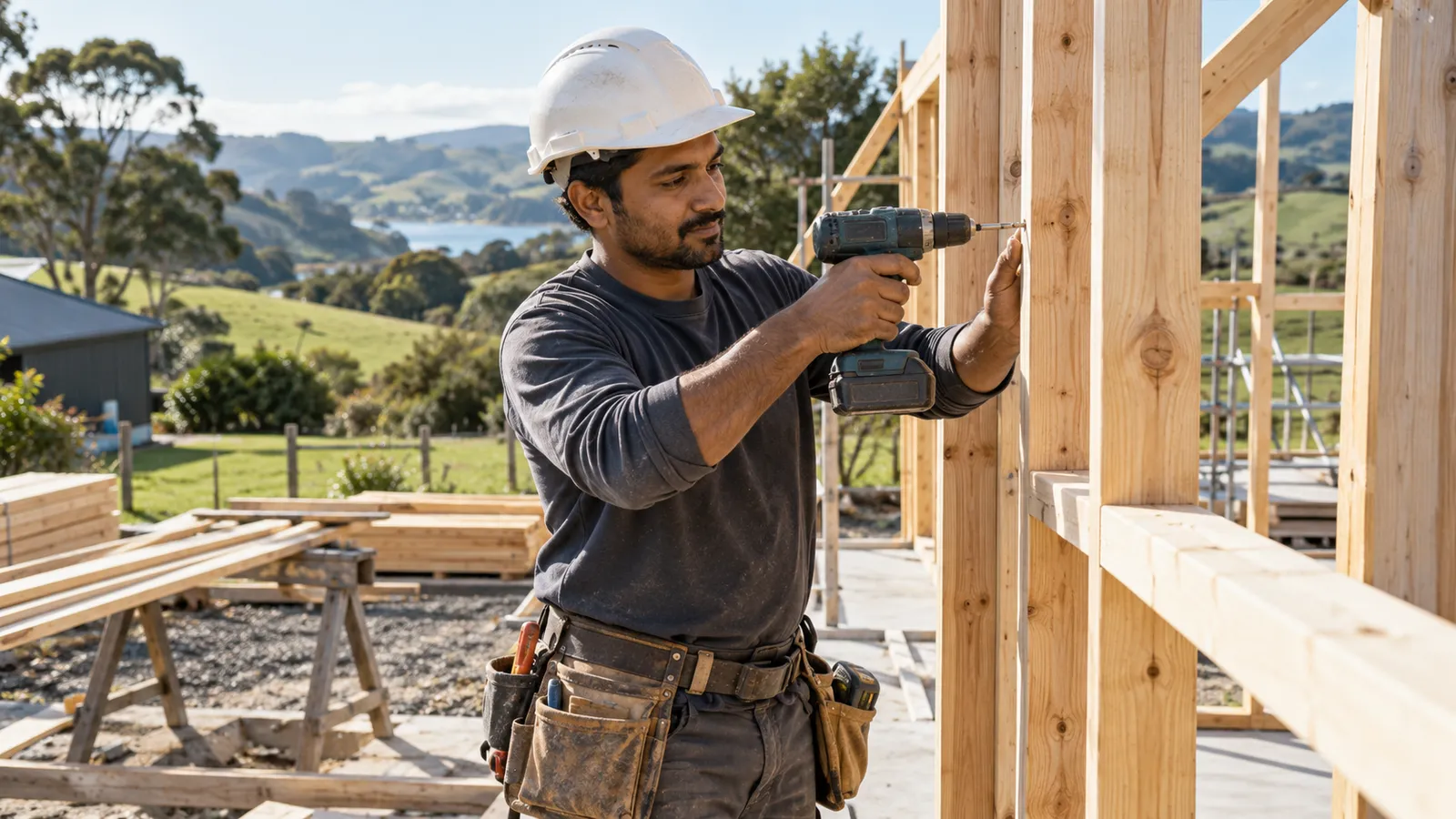
Many Bangladeshi tradespeople think of New Zealand as somewhere to work for a few years and then move on. A new route to residence could change that picture, but only for people who have already put in time on New Zealand jobs. Here is who it is meant for, what it asks of you and why regional New Zealand wants it.
Two new routes inside the Skilled Migrant Category
Immigration New Zealand has added two routes to the Skilled Migrant Category, the main residence category for skilled workers. Both are now in effect.
- The Trades and Technician Pathway is for people with a Level 4 or higher qualification and at least four years of relevant experience. Within that, 18 months must be New Zealand work paid at or above the median wage.
- The Skilled Work Experience Pathway sits alongside it and gives weight to practical experience gained on the job.
You can read about residence options on the official New Zealand visas pages.
Why the 18 months matter so much
The local work requirement means this is not a door you can walk through straight from Bangladesh. You would first need to be working in New Zealand in your trade, on a work visa, earning at least the median wage, for 18 months. For many migrant workers that first step is a role with an employer accredited to hire on the Accredited Employer Work Visa.
Keep every payslip, contract and employer letter from your first New Zealand job onwards. Those papers are how you later show that you met the wage and experience thresholds.
A snapshot from one busy district
The Mackenzie District shows why the pathway exists. Around 150 building consents were issued there this year, and several large solar developments are moving through the fast-track consenting process. Together, these projects are expected to create work for close to 1,000 people over the coming years, and one solar farm alone is due to begin construction within 18 months.
A district with a small population cannot fill that many jobs from its own residents, and housing has not kept up with growth either. The same mix of big projects and thin local labour shows up across much of provincial New Zealand.
The view from the building trade
People in construction have welcomed the pathway as a genuine step forward, but they are careful not to oversell it. They point out that building work rises and falls, project pipelines are uneven, and skilled workers can drift to Australia or into other industries when confidence drops. Construction activity in 2026 fell to its lowest level since 2015, and two-thirds of companies reported cancelled or paused projects.
The industry also wants migration settings that stay steady for the long term rather than shifting with each election cycle. Training an apprentice, or helping an experienced migrant learn New Zealand's building code and standards, takes years rather than months.
Getting ready while you are still in Bangladesh
- Find out how your trade certificate, for example one from the Bangladesh Technical Education Board, compares with Level 4 in New Zealand. Some trades also need occupational registration before you can work in them.
- Get certified English translations of any documents written in Bangla.
- Collect reference letters that list your duties for every job that makes up your experience, including work in the Gulf or Malaysia.
- Complete your BMET emigration clearance before leaving Bangladesh for a job.
- Never pay a dalal, or anyone asking for money upfront, to secure a New Zealand job or visa.
The honest picture
For employers, the pathway is a way to keep workers they have already trained. For you, it is a clearer, criteria-based route to residence than trades workers have often had. It will not fix housing or a slow building market, and the wage and experience bar is real. If you plan your first New Zealand job with those 18 months in mind, though, this probashi route is worth understanding now.
#trades #new zealand #residence #skilled migrant category #construction #bangladeshi workers
 Cooks, technicians, ICT staff: which new NZ residence door suits Bangladeshis?
 Learned your trade on the job? New Zealand's 24 August residence shift may finally count it
 Bangladeshi tradespeople: could New Zealand's 60,000-worker shortage be your next move?