Bangladeshi tradespeople: could New Zealand's 60,000-worker shortage be your next move?
Visa guide · 2026-10-10 · 4 min read
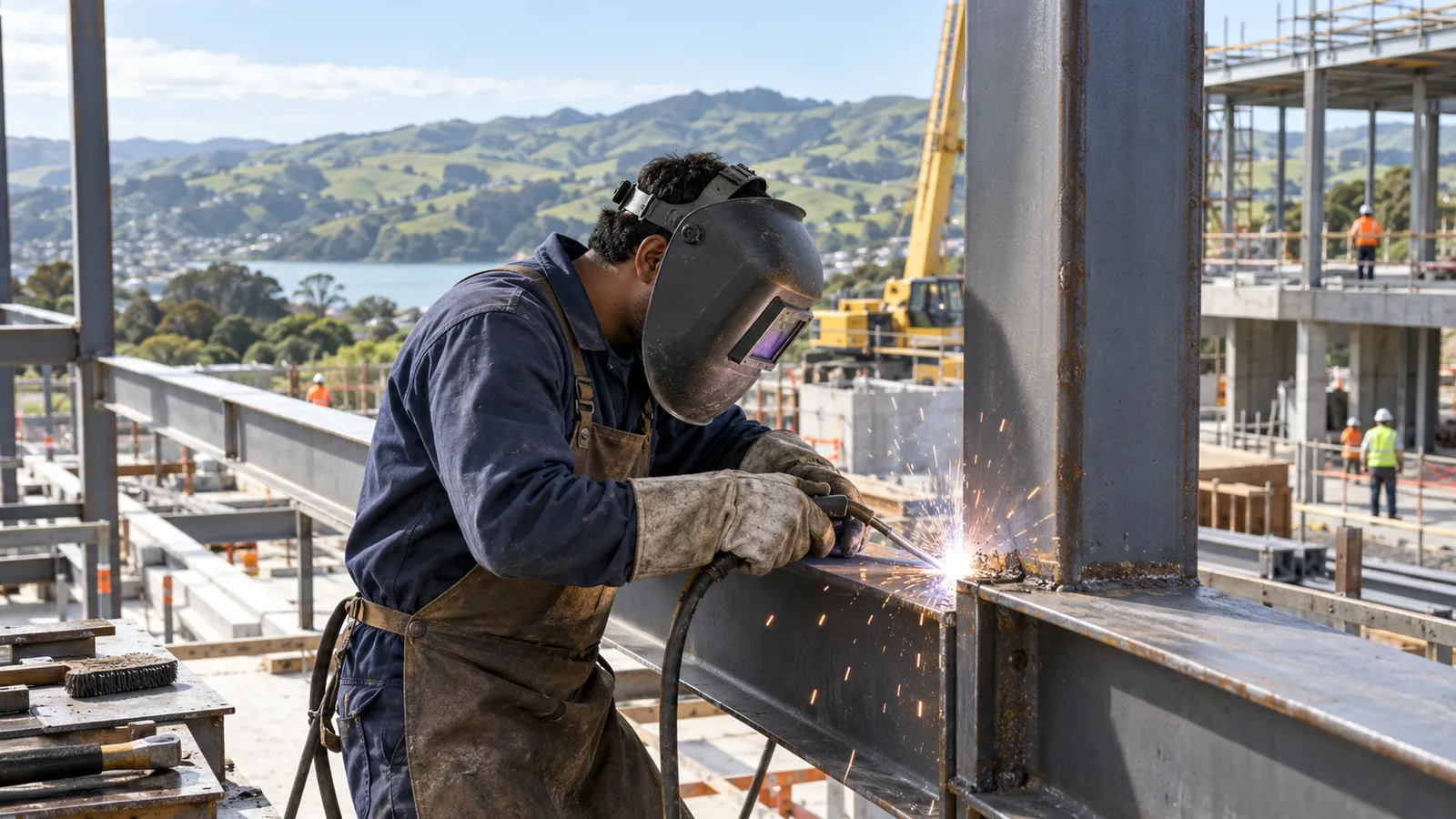
Plenty of Bangladeshi electricians, plumbers, welders and carpenters already know what it is like to work abroad. Many have done long contracts in the Gulf or Malaysia and are now asking where their skills could take them next. New Zealand deserves a place on that list. It is short of builders and tradespeople, it is spending heavily on infrastructure, and its visa settings are designed to bring in people with exactly these skills.
How big is the gap?
Industry estimates put New Zealand's building and construction shortfall at roughly 60,000 people. About half of that gap is trades-qualified workers: electricians, plumbers, carpenters, welders and gasfitters, among others.
The reason is simple. The government has set aside close to $60 billion for infrastructure over the next four years, covering highways, hospitals, schools and water systems. Money on that scale needs people on the ground to wire, weld, build and lay pipe, and there are not enough local workers to do it all.
Where the building is happening
The projects are spread across the country. Highway upgrades are running from Cambridge to Whangarei. Hospital wards are being built or redeveloped in Whangarei, Tauranga, Hawke's Bay, Palmerston North and Dunedin, and a new hospital is planned south of Auckland. Ten school redevelopments, new courthouses and new police stations add to the list.
Regional areas such as Northland, Waikato, the Bay of Plenty and the South Island are busy too, and job hunters there may face less competition than in the big cities. Housing is picking up again as well: new home consents rose 16% in the year to April 2026, and the country needs around 25,000 new homes consented each year just to keep up with population growth.
The visa side, in plain words
Most workers arrive on the Accredited Employer Work Visa (AEWV). This is a work visa linked to a job offer from an employer that has been accredited to hire migrants. The official details are on the AEWV page.
The Green List is New Zealand's list of jobs it cannot fill locally. It has two streams:
- Straight to Residence covers higher-skilled roles such as civil engineers and construction project managers. Residence can follow soon after a job offer from an accredited employer.
- Work to Residence covers hands-on trades such as electricians, plumbers, gasfitters, welders, fitters and metal fabricators. After two years with an accredited employer at the required wage threshold, residence becomes an option.
In 2025, ten more trades joined the list, including welders, fitters, panel beaters, vehicle painters and paving plant operators. From late August 2026, a new Skilled Migrant Category pathway for trades and technicians adds another route to residence for people who have built up experience in New Zealand. The Skilled Migrant Category is the points-based residence visa.
Will your Bangladesh qualifications count?
Some trades need occupational registration before you can work in them in New Zealand, and each has its own body:
| Trade or profession | Registration or assessment body |
|---|---|
| Electricians and electrical engineers | EWRB |
| Plumbers, gasfitters and drainlayers | PGDB |
| Carpenters and residential builders | MBIE's Licensed Building Practitioners scheme |
| Engineering professions | Engineering New Zealand |
| Trades without their own body | NZQA, which compares overseas qualifications with local standards |
Registration is not only a legal step. It can also add to your points under the Skilled Migrant Category.
Preparing from Bangladesh
Gather your trade certificates, such as those from the Bangladesh Technical Education Board, plus reference letters that describe your real tasks and projects. Get certified English translations of anything written in Bangla. If an employer or visa asks for an English test, IELTS and PTE are the common choices. When a police certificate is requested, you will need a Police Clearance Certificate from Bangladesh Police, and you will need BMET emigration clearance before you leave Bangladesh for work.
Above all, apply only through real employers and licensed recruiting agencies. Never pay a dalal or anyone who offers to secure a job or visa in exchange for money upfront.
Is this your moment?
New Zealand needs skilled trades workers, and the spending, the housing demand and the visa settings all point the same way. If you hold a recognised trade and solid work experience, the useful question is not whether demand exists. It is whether your papers, your registration and your CV are ready for it.
#new zealand #trades #aewv #green list #bangladeshi workers #registration
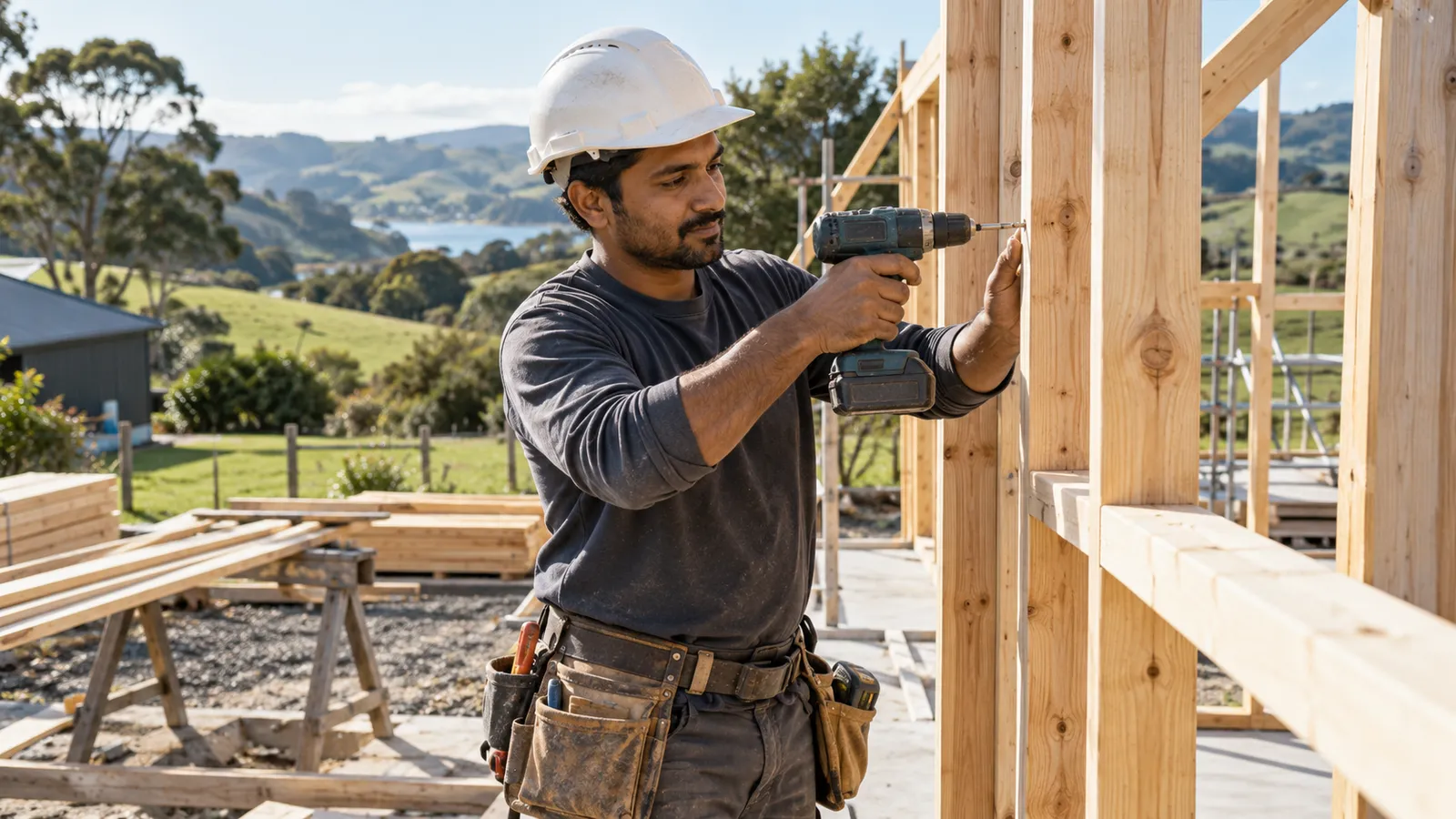 Already working a trade in New Zealand? A new residence pathway may now fit you
 Cooks, technicians, ICT staff: which new NZ residence door suits Bangladeshis?
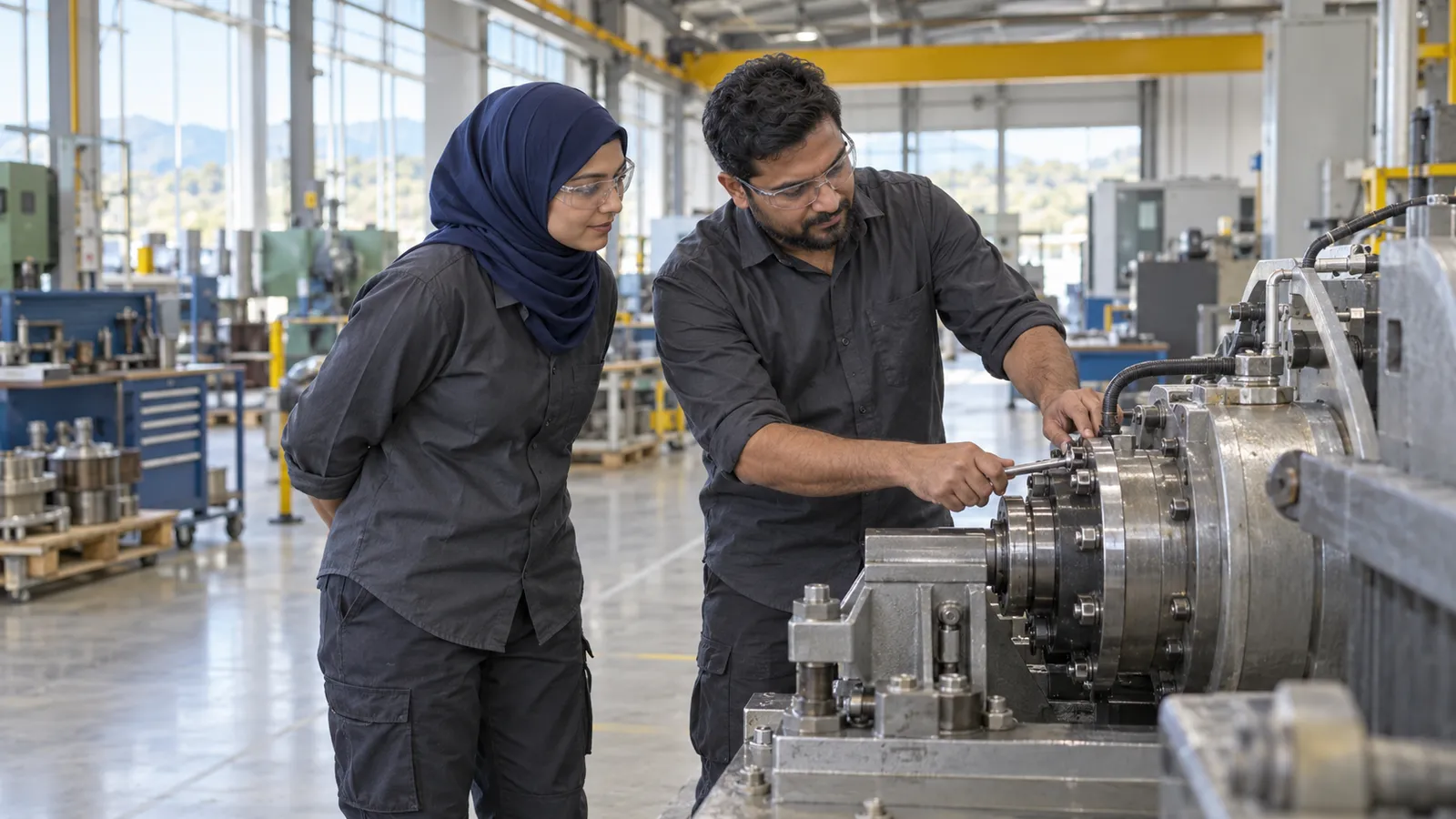 Learned your trade on the job? New Zealand's 24 August residence shift may finally count it