Bangladeshi plumbers: could New Zealand's shortage be your next step?
News · 2026-10-10 · 4 min read
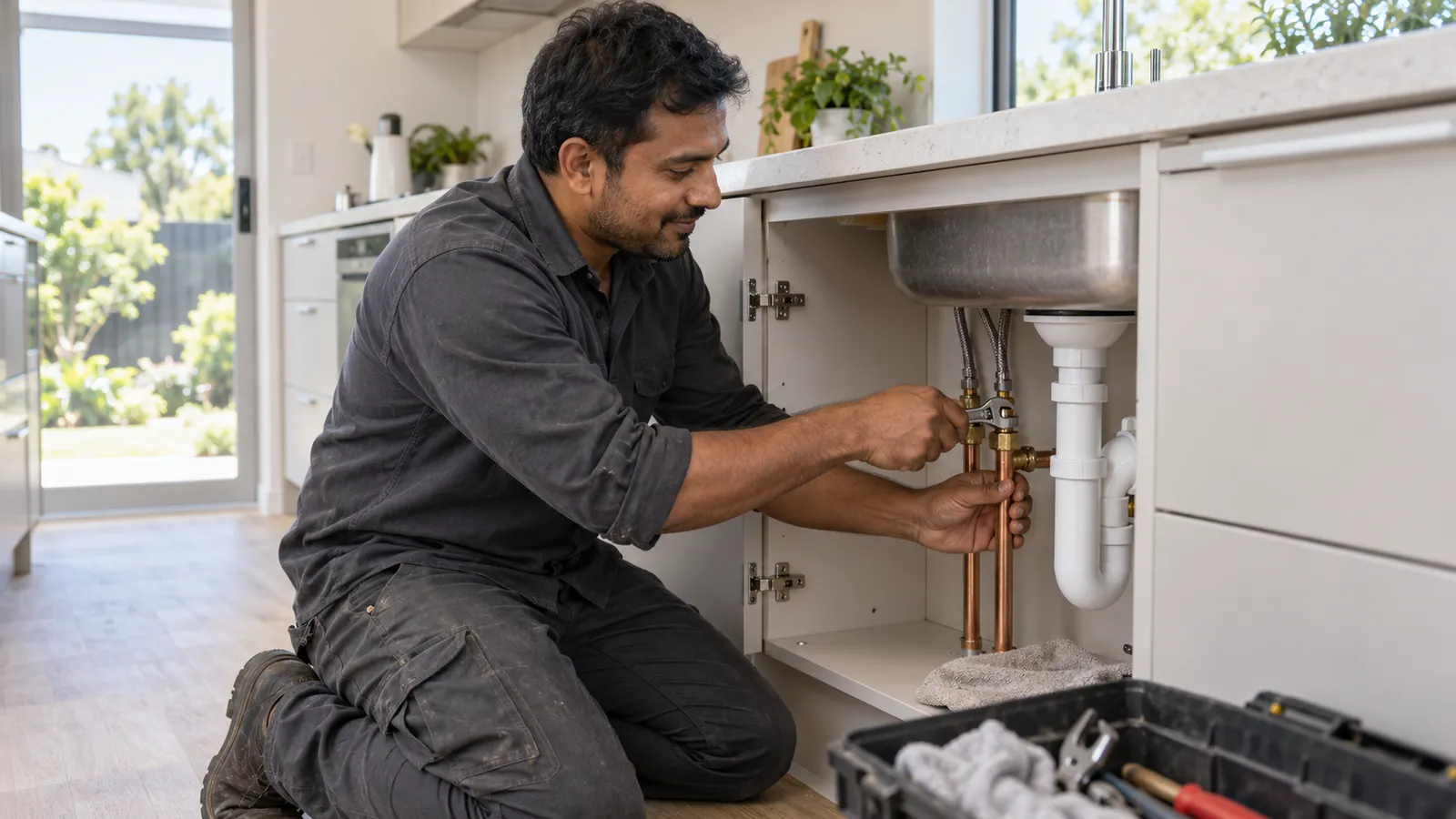
If you have spent years fixing pipes on Gulf building sites or in Dhaka apartment blocks, this is news worth reading slowly. New Zealand is short of plumbers, gasfitters and drainlayers, and the gap is not closing by itself.
Economic forecasters expect the country to need about 1,450 people in plumbing, gasfitting and drainlaying over the coming year. Older workers are retiring, many newly qualified locals are leaving for Australia, and building work is starting to grow again. Local training is not producing enough new tradespeople to cover all three.
Why New Zealand cannot fill these jobs at home
Training a plumber takes time and money. Fewer than one in five plumbing businesses take on apprentices, and across construction as a whole the share drops to 10–15 percent. Apprentice intake fell again this year, after a big fall the year before. During the recession, small firms found it hard to pay trainees through their first slow months, and a business can wait five years before an apprentice truly pays off.
Age is the second problem. The average certifying plumber, gasfitter or drainlayer is 49, and around 1,000 people still on the tools are already older than 65. These workers keep drinking water safe, keep sewage moving and keep gas flowing, so the shortage matters far beyond building deadlines.
The pull of Australia
Many young New Zealand plumbers qualify and then cross the Tasman Sea. Hourly pay can jump from around NZ$30 to AU$55, and some estimates say close to half of a recent graduating class may move to Australia soon after finishing. That leaves New Zealand employers looking further afield. It also shows how strongly Australia wants qualified trades workers.
What this could mean for Bangladeshi tradespeople
A shortage does not mean an easy visa or a sure job. It means employers have a real reason to look at skilled workers from overseas, and people in the industry now describe skilled migration as a structural need rather than a backup plan. If you want to be ready when the right opening appears, preparation matters more than speed.
- Your trade papers. Gather your certificates, for example from the Bangladesh Technical Education Board, plus letters from every employer showing the work you did and for how long.
- Checks abroad. Plumbing, gasfitting and drainlaying are licensed trades in New Zealand, so expect your skills and papers to be checked again before you can certify work there.
- English. Some visas and employers ask for an IELTS or PTE result. Find out what the job and visa need before you book a test.
- Translations. Any document written in Bangla needs a certified English translation.
- Police certificate. If you are asked for one, apply early for a Police Clearance Certificate from Bangladesh Police.
- Leaving Bangladesh. Workers going abroad for a job need emigration clearance from BMET before they travel.
You can read about work visa options on the official Immigration New Zealand work page.
Openings beyond the usual picture
Industry leaders also say New Zealand should widen who enters the trade. Women make up under one percent of the licensed plumbing, gasfitting and drainlaying workforce, even though many show interest and say they struggle to get an interview. Training providers have their own troubles too: courses that come and go, a lack of tutors and old equipment. All of this points the same way. Employers are likely to keep needing experienced hands from outside the country.
A word of caution
When a trade is in demand, middlemen appear. Never pay a dalal or anyone who asks for money upfront to "secure" a plumbing job or a visa for you. Deal only with real employers and licensed recruiting agencies, and check every visa detail on official government websites.
New Zealand's plumbing gap is real and growing. For a skilled Bangladeshi plumber with solid experience and clean paperwork, it is a sensible moment to put your documents in order and watch for genuine openings.
#plumbing #new zealand jobs #skilled migration #trades #bangladeshi workers
 Bangladeshi workers eyeing Australia: is AI shrinking the office jobs you planned for?
 Australia could be 935,600 tradies short by 2035: what Bangladeshi workers should know
 Already working a trade in New Zealand? A new residence pathway may now fit you