Carpenter, bricklayer or tiler in Bangladesh? Why Australia's building sites need your trade
Tips · 2026-10-10 · 4 min read
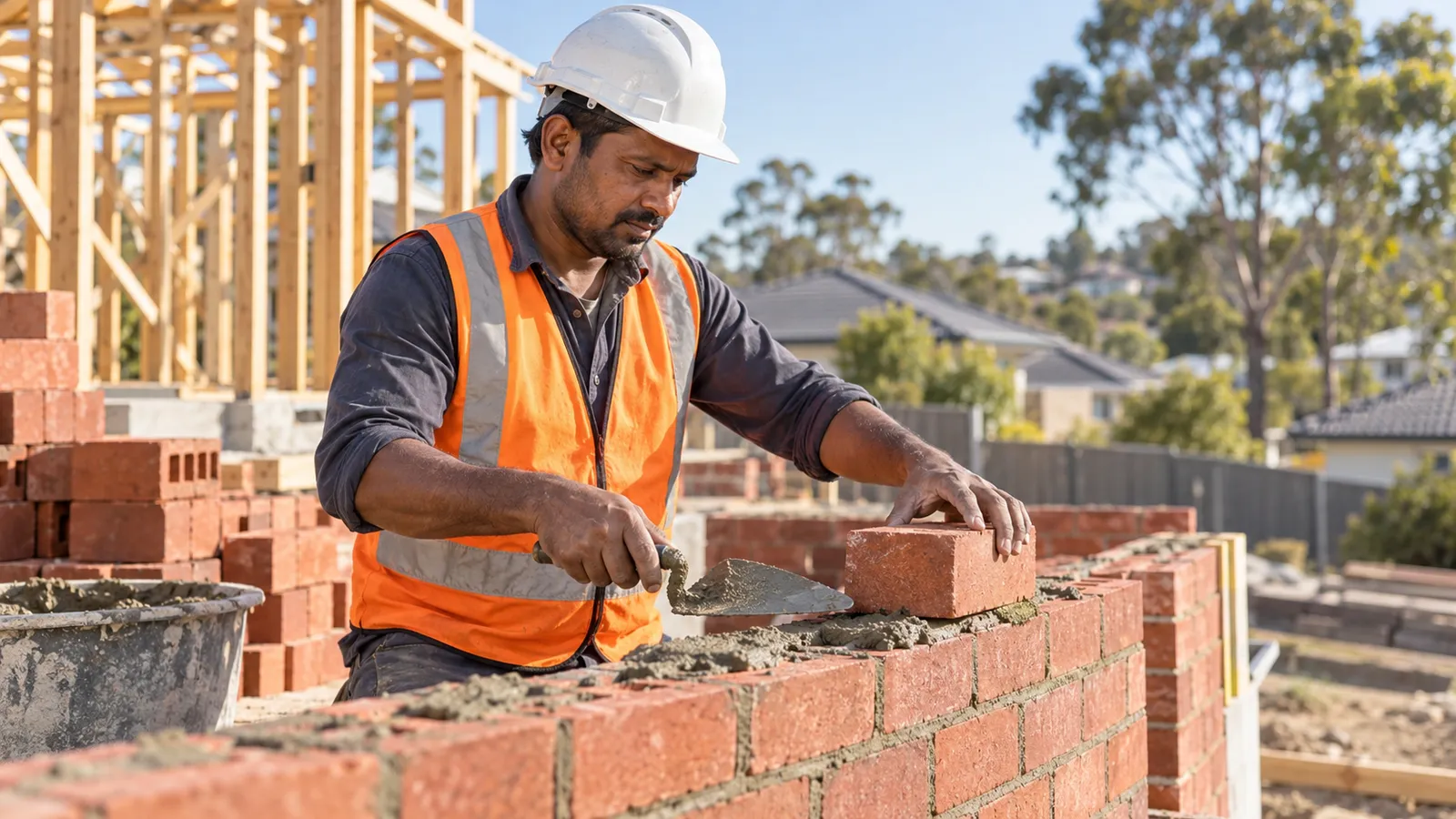
Many Bangladeshi tradespeople have spent years on building sites in the Gulf or Malaysia, laying blocks, fixing formwork or setting tiles in tower lobbies. If you are one of them and you have wondered whether that experience could count for something in Australia, it is worth a closer look. Australia is building more than it can staff, and the trades that hold a build together sit right at the centre of that gap.
Why Australian sites are short of hands
Three pressures are pushing demand up at the same time, and none of them is a passing trend:
- Not enough homes have been built, so residential sites keep running at full stretch.
- Governments are paying for roads, rail lines, schools and other public buildings, and those projects draw on the same pool of workers.
- A large part of today's trade workforce is close to retiring, and too few young workers are coming through to take their place.
Put together, this is a long-running shortage rather than a short hiring burst. For anyone planning a move over several years, that difference matters a lot.
Three trades that keep coming up
Carpentry, bricklaying and tiling are part of almost every house and commercial building, which is why employers ask for them again and again. In Australia each one has a nationally recognised Certificate III:
| Australian qualification | Job it leads to |
|---|---|
| CPC30220 Certificate III in Carpentry | Carpenter |
| CPC33020 Certificate III in Bricklaying and Blocklaying | Bricklayer and blocklayer |
| CPC31320 Certificate III in Wall and Floor Tiling | Wall and floor tiler |
Because these are national qualifications, an employer in one state reads them the same way as an employer in another. That helps if your plans later take you somewhere other than the city where you first settled.
What employers judge besides paper
A certificate opens the conversation, but site supervisors keep the workers who can do the job well. Expect to be judged on whether you can:
- read drawings, plans and job specifications correctly;
- use tools and machines safely and with confidence;
- follow Workplace Health and Safety (WHS) rules on site;
- measure, set out and estimate accurately;
- notice a problem early and sort it out without being asked;
- keep pace with site deadlines;
- work to the building codes and compliance standards for your trade.
Gulf and Malaysia experience can help here, especially when you can describe the projects you worked on and the tasks you led.
Getting your Bangladesh papers in order
If you trained at home, keep your trade certificates, for example from the Bangladesh Technical Education Board, together with letters from past employers. Trades are usually assessed again in Australia, often through a body such as Trades Recognition Australia or VETASSESS, so find out what your visa and occupation need before you spend money. Documents written in Bangla will need certified English translations. Many visas and employers also ask for an English test such as IELTS or PTE; the Department of Home Affairs explains its English language requirements. If a police certificate is requested, that means a Police Clearance Certificate from Bangladesh Police. Before you leave Bangladesh for work, you will also need BMET emigration clearance.
Finding the work
Once you start applying, three habits make a real difference:
- Write a CV made for your trade. Put your qualification first, then the tools and equipment you can handle and any placement or site hours, instead of general job-hunting phrases.
- Look beyond job ads. A lot of Australian construction hiring goes through apprenticeship providers and labour hire agencies.
- Use any employment help your training provider offers, such as CV reviews, interview practice and employer referrals. Many people never ask for it.
One warning never changes: deal only with real employers and licensed recruiting agencies. Never pay a dalal or anyone else who asks for money upfront to secure a job or a visa.
The short version
Australia's shortage of tradespeople is not about to close. For a skilled Bangladeshi carpenter, bricklayer or tiler, that means genuine demand, a qualification system employers trust across the country, and a practical way into steady skilled work. Start with honest paperwork, a strong trade CV and patience with the process.
#trades #australia #carpentry #bricklaying #tiling #bangladeshi workers #skills shortage
 Bangladeshi welders and fabricators: could Australia's skills gap be your next step?
 Senior manager in Bangladesh? Why Australia looks at your duties, not your job title
 No degree, strong trade? Why Australia may suit Bangladeshi electricians and builders