No degree, strong trade? Why Australia may suit Bangladeshi electricians and builders
Tips · 2026-10-10 · 4 min read
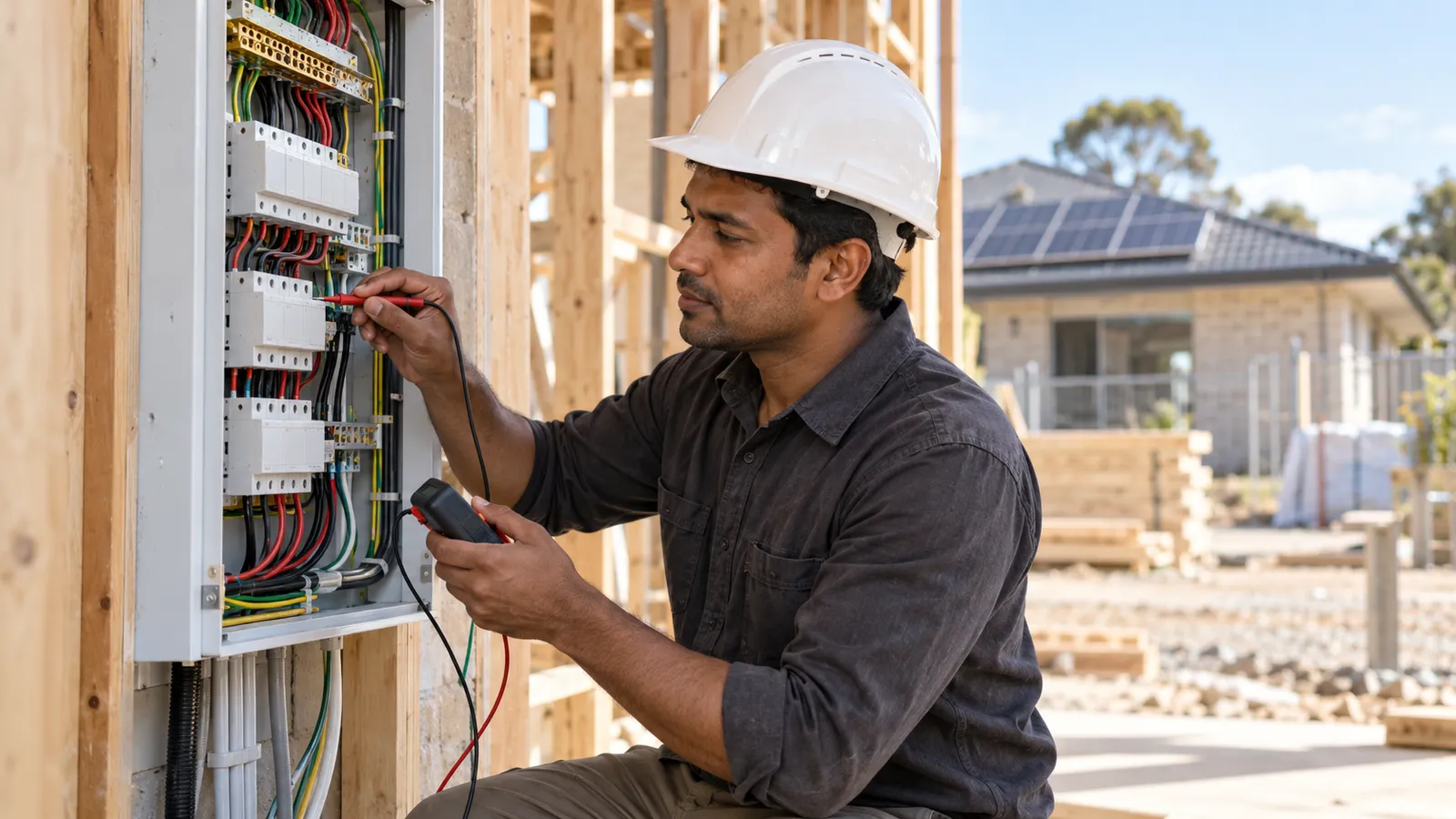
Many Bangladeshi families still believe a university degree is the only safe road abroad. In Australia, that belief is starting to look out of date. Some of the strongest earners there today are people who can wire a switchboard, put solar panels on a roof or frame a house.
If you hold a trade certificate and years of hands-on work in Dhaka, Chattogram or the Gulf, here is why a trade may be one of the smartest routes to consider.
Building work that keeps coming
Australia's housing targets, its move to cleaner energy and its big infrastructure projects all draw on the same small group of workers: electricians, plumbers, carpenters and bricklayers, among others. Labour market research for the government has found shortages in every major construction trade at some point in the past five years, and close to half of construction trade occupations are still short of workers nationally.
More Australians are starting apprenticeships again in carpentry, plumbing and electrical work. Still, it takes years to train a fully qualified tradesperson, so local training alone cannot close the gap quickly. Long shortages like this are the reason skilled trades tend to stay on priority migration lists.
How trade earnings compare
A licensed electrician with a specialist or commercial business can realistically earn six figures, more than many graduate office jobs in the same city. Solar installation has become a strong niche as homes and businesses try to cut power bills, and some established operators report tens of thousands of dollars a month in business revenue before costs.
This does not mean every office career has been overtaken. Senior roles in law and corporate leadership still sit near the top. What has changed is the floor: tradespeople now start from a much higher base than the old "degree beats trade" idea suggests.
Hands-on work is hard to automate
Much of the worry about AI is about desk jobs such as admin, routine analysis and writing reports. Physical trades sit largely outside that risk. Software cannot climb into a roof space, trace a fault in 1950s wiring or bolt down a solar system. New tools may arrive on site, but someone still has to fit, wire and maintain them. For anyone planning a long career abroad, that matters.
Your next steps as a Bangladeshi tradesperson
Australia's skilled migration settings increasingly favour construction and trade jobs, and industry groups want tradespeople to get a bigger share of places. They also say the system is too slow at recognising overseas qualifications. That last point is where your planning should begin.
- Start on recognition early. Getting qualifications recognised, not finding jobs, is often the real hold-up. Trades are usually assessed again in Australia, for example through Trades Recognition Australia or VETASSESS, and you may need an Australian trade licence as well.
- Collect proof of your work. Keep your certificates, such as those from the Bangladesh Technical Education Board, along with reference letters that list your tasks and dates.
- Translate Bangla documents. Every document written in Bangla needs a certified English translation.
- Plan your English test. If the visa or employer asks for IELTS or PTE, book it once you know the score you need.
- Clear the Bangladesh side. Before you fly out for work, complete BMET emigration clearance, and get a Police Clearance Certificate from Bangladesh Police if one is requested.
You can see which jobs are on Australia's lists on the official skilled occupation list page.
Regional and skilled visas remain a realistic way in, and overseas trade experience can turn into good earnings fairly soon after arrival. Many migrant tradespeople have also moved from employee to running their own business within a few years.
Stay away from shortcuts
Never pay a dalal or anyone who asks for money upfront to "secure" a job or visa. Work only with real employers and licensed recruiting agencies.
University still leads into many careers in Australia, and degrees are still expected to drive most future job growth. But for hands-on work that cannot be automated or sent offshore, a trade is no longer the fallback option. For a skilled Bangladeshi tradesperson, it could be the main road.
#electricians #trades #australia jobs #skilled visa #solar #bangladeshi workers
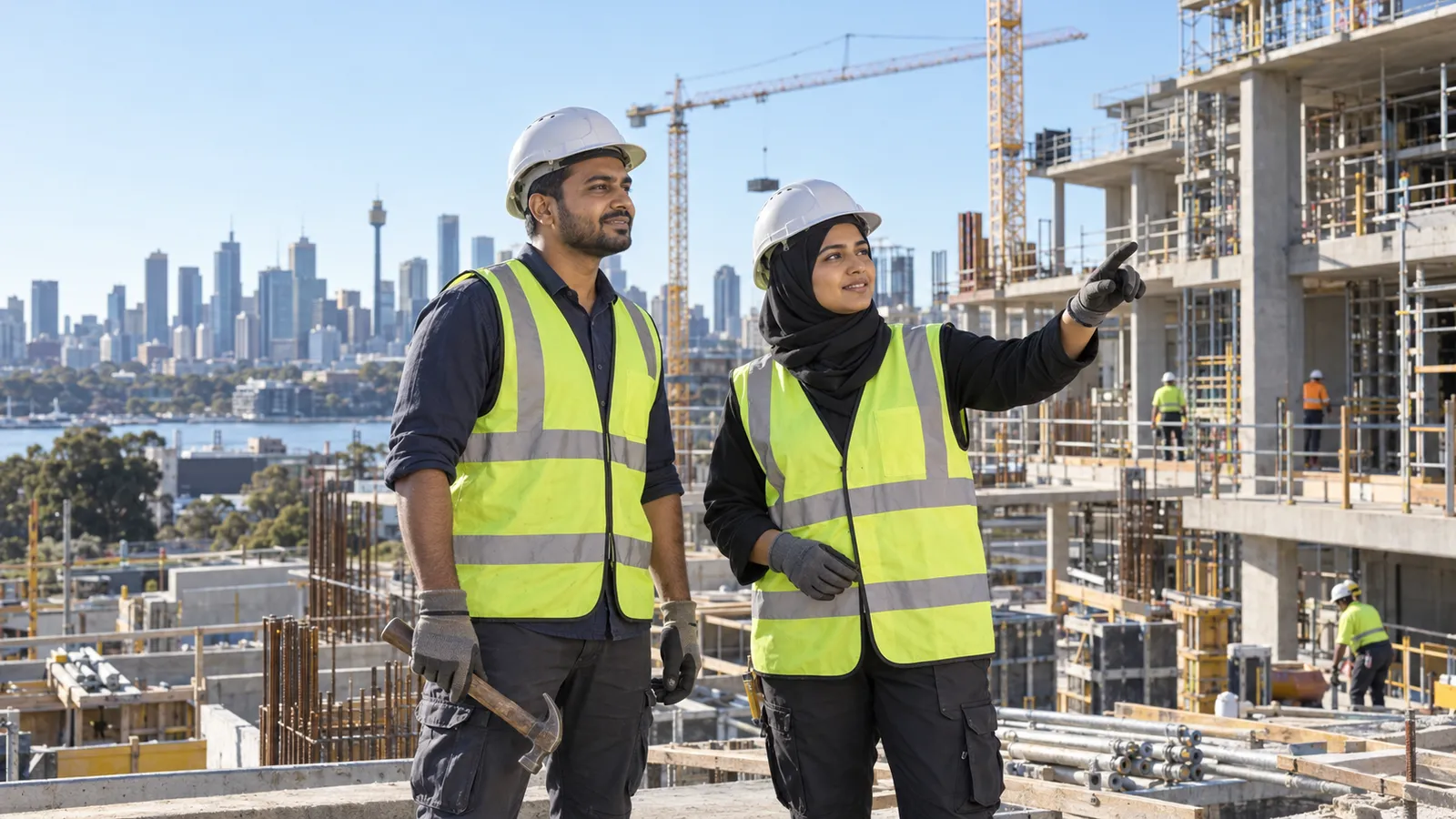 Australia could be 935,600 tradies short by 2035: what Bangladeshi workers should know
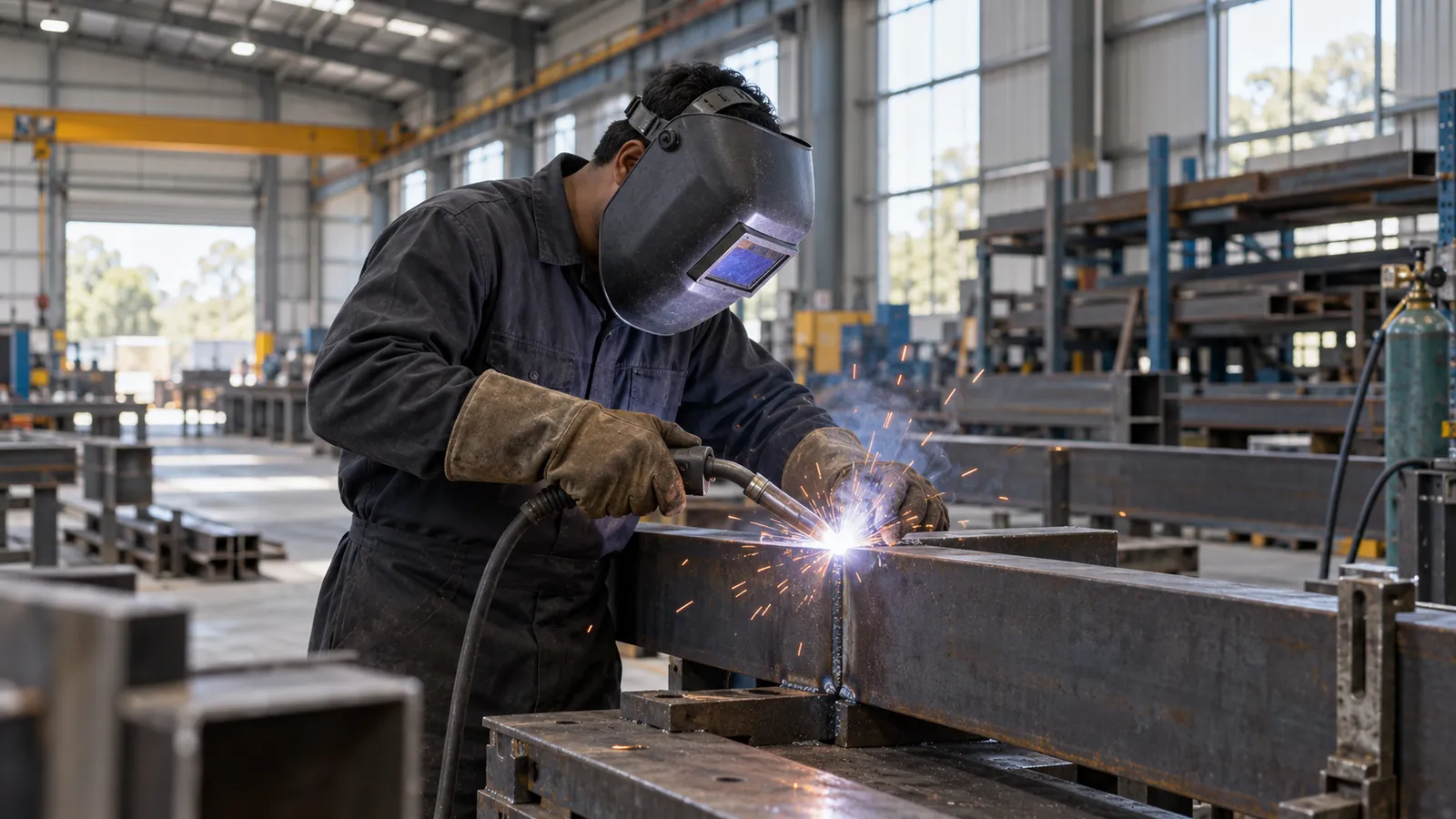 Bangladeshi welders and fabricators: could Australia's skills gap be your next step?
 Senior manager in Bangladesh? Why Australia looks at your duties, not your job title